Mobile teams today are expected to release faster while maintaining stable and consistent app performance across a wide range of devices. The way you manage your device lab plays a direct role in how quickly you ship updates, how much you spend, and how reliable your testing process is.
This guide explains the difference between cloud-based and on-premise device lab management, outlines the real trade-offs, and helps you decide what works best for your team, workflow, and long-term plans.
What is Device Lab Management?
Device lab management is the process of setting up, accessing, maintaining, and scaling real mobile devices used for testing applications.
There are two primary approaches:
Cloud-Based Device Labs
Devices are hosted by a third-party provider and accessed remotely through the internet.
On-Premise Device Labs
Devices are physically located within your organization and managed by your internal team.
Both approaches support real device testing, but they differ in cost structure, scalability, accessibility, and operational effort.
Cloud-Based vs On-Premise Device Lab Management at a Glance
| Factor | Cloud-Based Device Lab | On-Premise Device Lab |
| Infrastructure | Hosted by provider | Hosted internally |
| Setup Time | Fast and ready to use | Slow with manual setup |
| Cost Model | Pay as you go | High upfront investment |
| Scalability | On demand | Limited by hardware |
| Maintenance | Managed externally | Managed internally |
| Access | Global and remote | Restricted to local or VPN |
| Device Coverage | Extensive range | Limited inventory |
| Control | Moderate | Full control |
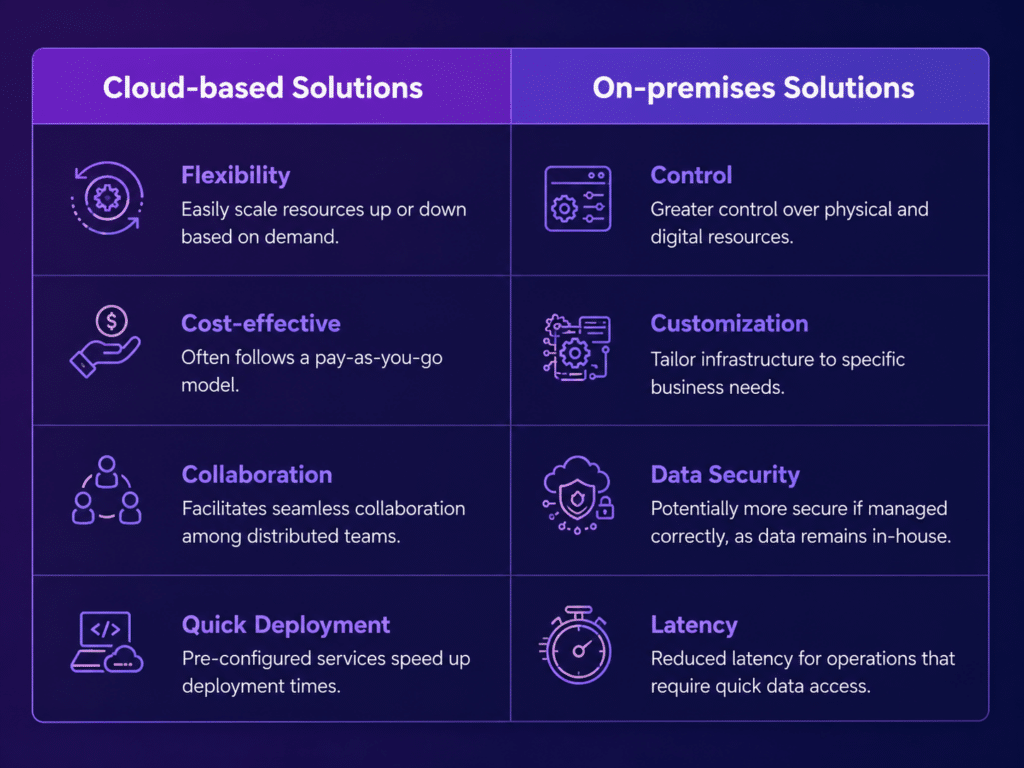
Cloud platforms give instant access to a large pool of devices, while on-premise setups rely on hardware you own and maintain.
What is Cloud-Based Device Lab Management?
A cloud-based device lab allows teams to access real mobile devices hosted in remote data centers. Tests run over the internet, and results such as logs, screenshots, and videos are available almost immediately.
Platforms like Kobiton are widely used for this model, giving teams access to real devices without managing physical infrastructure.
Key Advantages
1. Instant scalability
You can run tests across hundreds or even thousands of devices at the same time. Scaling up or down is simple and does not require new hardware.
2. Faster setup and onboarding
There is no need to build or configure infrastructure. Teams can start testing within minutes.
3. Global access and collaboration
Teams in different locations can work together in real time, which is especially useful for distributed or remote setups.
4. Lower operational overhead
Device maintenance, OS updates, and uptime are handled by the provider, freeing your internal teams to focus on testing rather than infrastructure.
5. Broad device coverage
You get access to multiple device types, operating system versions, and screen sizes, which improves real-world test coverage.
Cloud environments also support parallel testing, which shortens release cycles and helps teams move faster without compromising quality.
Challenges of Cloud-Based Device Labs
- Ongoing subscription or usage-based costs
- Limited control over infrastructure compared to internal setups
- Data security concerns for highly regulated industries
- Dependence on internet connectivity, which can affect performance in some cases
What is On-Premise Device Lab Management?
On-premise device labs are hosted within your organization. Your team is responsible for managing devices, servers, networks, and testing tools.
Key Advantages
1. Full control over infrastructure
You can configure devices, networks, and environments exactly the way you need, which is useful for specialized testing scenarios.
2. Strong data security
All data stays within your internal systems, making this model suitable for industries with strict compliance requirements such as finance and healthcare.
3. Lower latency
Tests run within your local network, which can result in faster execution, especially for large builds or performance testing.
4. Predictable long-term costs
After the initial investment in hardware, ongoing costs are more stable compared to usage-based cloud pricing.
On-premise setups give you complete ownership of your testing environment, which can be valuable when consistency and control are top priorities.
Challenges of On-Premise Device Labs
- High upfront costs for devices, servers, and setup
- Ongoing maintenance that requires dedicated IT support
- Limited scalability since adding capacity means purchasing more hardware
- Restricted access for remote or distributed teams
Scaling an on-premise lab often takes time and planning due to procurement and setup requirements.
Key Decision Factors
1. Team Structure
If your team is distributed or works remotely, cloud-based labs are usually more practical.
If your team is centralized, an on-premise setup can work effectively.
2. Budget Model
If you prefer lower upfront costs, cloud-based solutions follow an operational expense model.
If you are comfortable with upfront investment, on-premise follows a capital expense model.
3. Testing Scale
If you need access to a wide range of devices, cloud platforms are more suitable.
If your testing needs are limited and consistent, on-premise can be sufficient.
4. Security and Compliance
If you deal with sensitive data or strict regulations, on-premise is often preferred.
For standard security requirements, cloud solutions like Kobiton provide strong protections and controlled environments.
5. Release Speed
If you rely on fast CI and CD pipelines, cloud environments integrate more easily.
If your release cycles are slower and tightly controlled, on-premise setups can still meet your needs.
When Should You Choose Cloud-Based Device Lab Management?
Cloud is a strong fit if you:
- Need fast scaling and parallel testing
- Have remote or hybrid teams
- Want to reduce infrastructure management
- Require access to a wide range of devices quickly
- Follow Agile or CI and CD workflows
Cloud-based testing helps teams move faster and collaborate more easily without dealing with hardware constraints.
When Should You Choose On-Premise Device Lab Management?
On-premise is a better choice if you:
- Work with sensitive or regulated data
- Need deep customization of testing environments
- Prefer full control over infrastructure
- Have stable and predictable testing requirements
- Can support dedicated IT resources
Hybrid Approach: A Practical Middle Ground
Many organizations use a hybrid model that combines both approaches.
- On-premise labs handle security-sensitive testing
- Cloud labs handle large-scale and device-diverse testing
This setup allows teams to maintain control where needed while still benefiting from the flexibility of cloud infrastructure.
Final Verdict: Which One is Right for You?
There is no single answer that fits every team.
Choose cloud-based device lab management if speed, scalability, and accessibility are your top priorities.
Choose on-premise device lab management if control, compliance, and customization matter most.
Choose a hybrid approach if you want a balance between flexibility and control.
The right decision depends on your team structure, budget, security needs, and the scale of your testing efforts.